Mastering Progressive Overload: The Science of Seeing Progress
Learn how Progressive Overload works and how to progress with volume, intensity, and density. Discover why tracking is the biggest barrier to results and how Fit Viz tracks every workout and displays PR history on gym screens so members always know their number to beat.
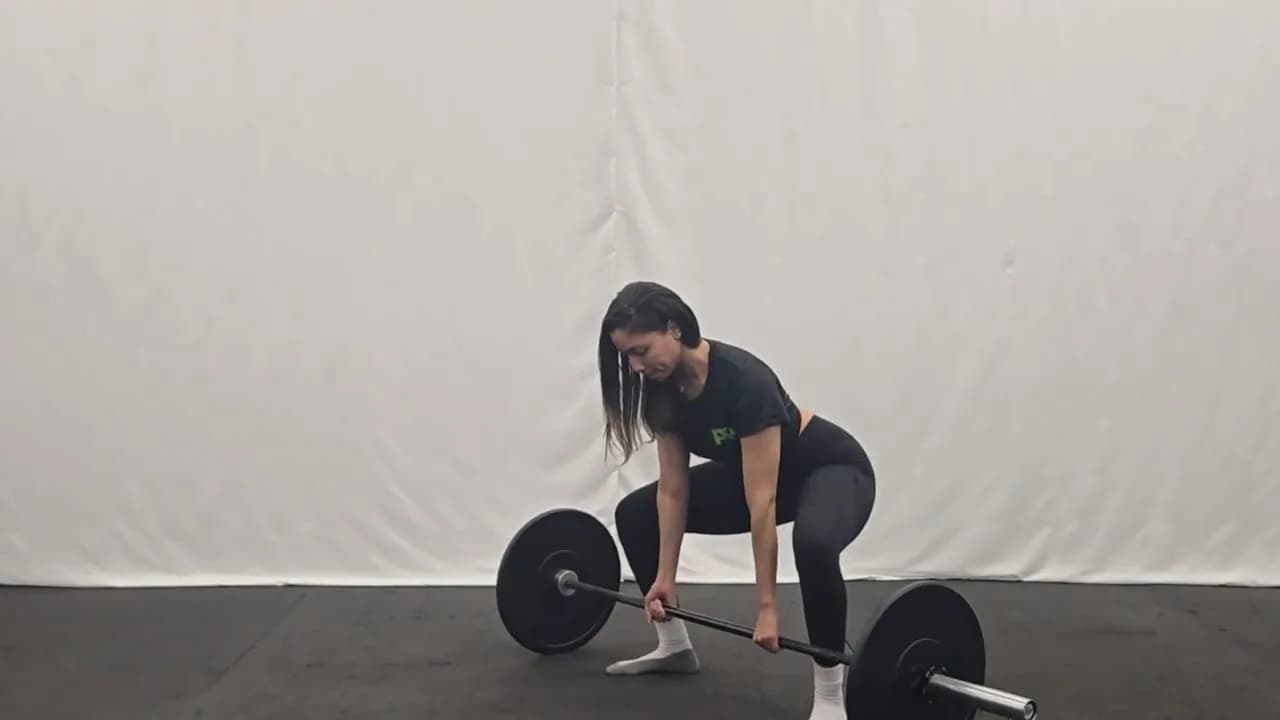
If you aren’t practicing Progressive Overload, you aren’t really training - you’re just exercising. Real training produces adaptation because it applies a measurable stimulus, then increases that stimulus over time. Whether your goal is muscle growth, strength, better conditioning, or improved metabolic efficiency, the principle is the same: the body changes when the demands increase.
The problem is that most people want progressive overload but fail to execute it for one simple reason: they don’t have consistent data. They can’t remember what they lifted three weeks ago. They don’t know if their pace has improved. They don’t know if they did more work or just felt more tired. That’s why the most successful gyms build systems that make progress visible.
In this post, we will dive into:
- The three ways to apply Progressive Overload (volume, intensity, density)
- Why tracking and visibility are the real bottlenecks
- How Fit Viz makes progressive overload automatic with workout tracking + on-floor PR displays
What Progressive Overload actually means
Progressive Overload is the planned, systematic increase of training stress over time. The goal is not to crush yourself every session. The goal is to gradually increase the demand so your body has a reason to adapt.
This applies to:
- Strength training (compound lifts, accessories)
- Hypertrophy programs
- Metcon conditioning and intervals
- Endurance blocks
- Hybrid training (strength + Hypertrophy)
If your training looks the same month after month - same weights, same reps, same times - your results will eventually stall.
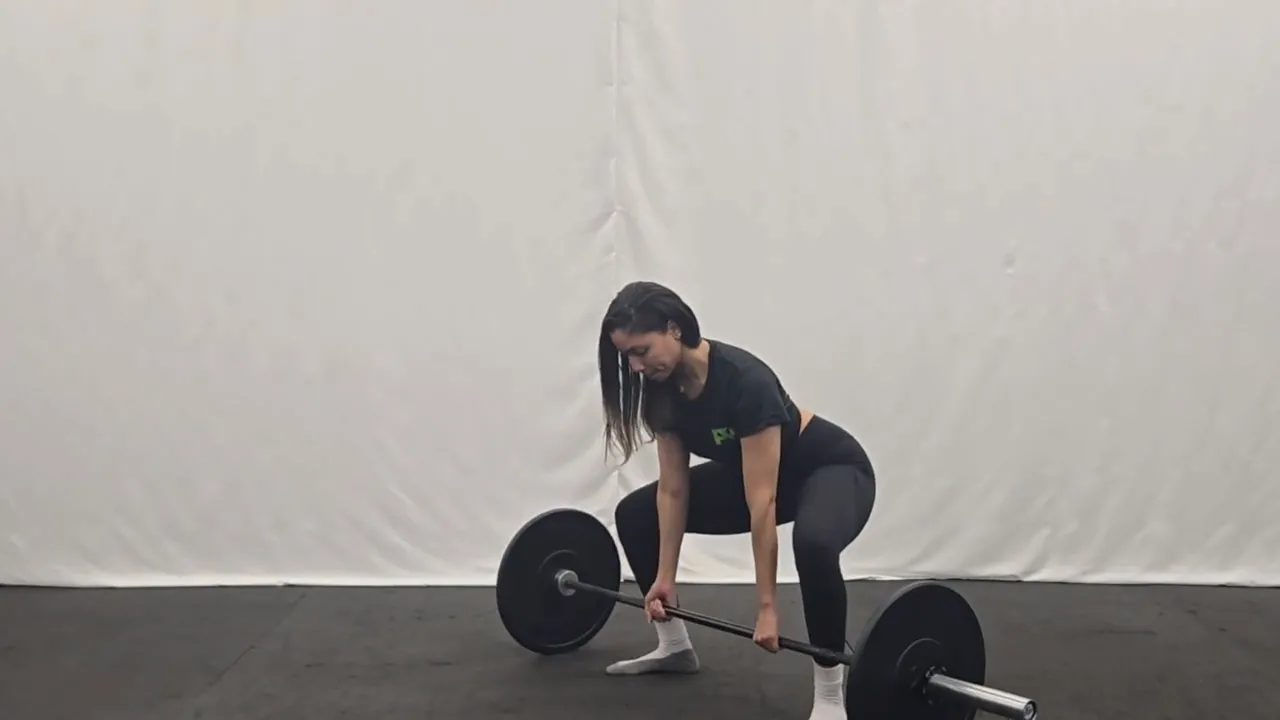
The 3 ways to apply Progressive Overload
1. Volume: more total work
Volume is the most straightforward form of progressive overload. You increase the total work performed by adding:
- Reps (8 → 10)
- Sets (3 sets → 4 sets)
- Training frequency (2×/week → 3×/week)
- Total weekly work for a movement pattern (more squat volume, more pulling volume)
Where volume overload shines
- Hypertrophy phases
- Technical lifts where quality matters
- Building durability and muscular endurance
The pitfall: volume is hard to manage without data. People often “add more” randomly, then burn out or lose form. The right volume increases are controlled and tracked.
2. Intensity: heavier weights or faster output
Intensity is about increasing the difficulty per unit of work. In strength training, that often means heavier loads. In conditioning, it can mean faster pace or higher power output.
Examples:
- Back squat 5×5 at 185 → 195 → 205→215→225
- Rowing 500m split improves week over week
- Lifting the same weight but with cleaner, faster reps
- Maintaining a higher heart rate zone at the same perceived effort
Where intensity overload shines
- Compound lifts and strength development
- Power-focused training
- Performance benchmarks
The pitfall: intensity is where ego shows up. Without tracking, athletes either avoid intensity (“I’ll just stay comfortable”) or chase it unsafely (“max out every week”).
3. Density: same work, less time
Density is one of the most powerful - and overlooked - ways to drive progress, especially for group training and functional fitness.
Density examples:
- Finish the same WOD faster
- Complete the same total reps in fewer minutes
- Reduce rest time while keeping output
- Maintain the same work rate with a lower heart rate response over time
Density overload builds:
- Muscular endurance
- Aerobic efficiency
- Pacing control
- Mental resilience
Why density works so well in gyms: it’s measurable, repeatable, and motivating. But only if you track times and outputs accurately.
The biggest barrier to Progressive Overload is poor data
Most people fail progressive overload for a simple reason: they’re guessing.
Common “progress killers”:
- Not knowing last week’s weights or reps
- Inconsistent logging (some workouts tracked, others forgotten)
- No visibility into trends (PRs, volume totals, split times)
- Progress only “feels” like progress, but isn’t measurable
- Coaches can’t scale intelligently because history is missing
When progress is invisible, members lose motivation because they can’t prove improvement. That’s when attendance drops - and eventually retention.
How Fit Viz makes Progressive Overload easier for gyms and members
Fit Viz is designed to remove the guesswork by making progress visible in two places:
- Inside the member app (workout history and tracking)
- On the gym floor (visual prompts that remind athletes what to beat)
1. Track every session automatically inside the app
Fit Viz supports consistent workout tracking so members can see:
- What they did last time
- What load they used
- How many reps/rounds they completed
- Benchmark times and performance history
- Trends that show improvement over weeks, not just days
This is critical for Progressive Overload because you can’t progress what you don’t record.
2. Display historical PRs and “number to beat” on gym screens
This is where Fit Viz becomes different from tracking-only systems.
Fit Viz can surface key history on the gym floor:
- Last score on a benchmark
- Last load used for a lift
- Best time, best rounds, best output
- A clear “target” for today’s session
That creates immediate direction. Members walk in already knowing what progress looks like today - without digging through notes or trying to remember.
3. Make progressive overload a habit, not a homework assignment
When the system reminds members of their previous performance, progressive overload becomes automatic:
- They add 2.5–5 lb because it’s clearly the next step
- They aim for one extra round because last time is visible
- They try to hold pace longer because they know the benchmark
This turns training into a loop:
perform → record → compare → progress
That loop is what produces results.
Progressive overload in group training: how gyms can scale it safely
Many owners assume Progressive Overload only works in personal training or bodybuilding programs. In reality, it’s one of the best retention strategies for group fitness - if it’s presented clearly.
A gym can program progressive overload through:
- Weekly benchmark repeats (same format, improved score)
- Progressive strength waves (5×5 → 5×3 → heavy triples)
- Density challenges (same work, less time)
- Zone-based conditioning progressions (more time in target zone, faster recovery)
Fit Viz supports this by keeping workouts consistent and visible, and by making history accessible so members can see the improvement.
Conclusion
Progressive Overload is the science of results. Volume, intensity, and density are the three levers that drive adaptation - but only when they’re applied systematically and tracked accurately. The biggest barrier is not effort. It’s visibility. If members don’t know what they did last time, they can’t progress on purpose.
Fit Viz solves this by tracking every session in the app and displaying historical PRs and “numbers to beat” on gym floor screens. It turns progress into something members can see, chase, and repeat - so every rep becomes a step toward a new ceiling.