Fitness Tech News: Why Cloud Fitness and Gym TV Are Now the Core of Modern Training
Fitness tech news for 2026: what cloud fitness means, how a cloud fitness gym works, the platforms compared, and the trends reshaping training. Updated July.
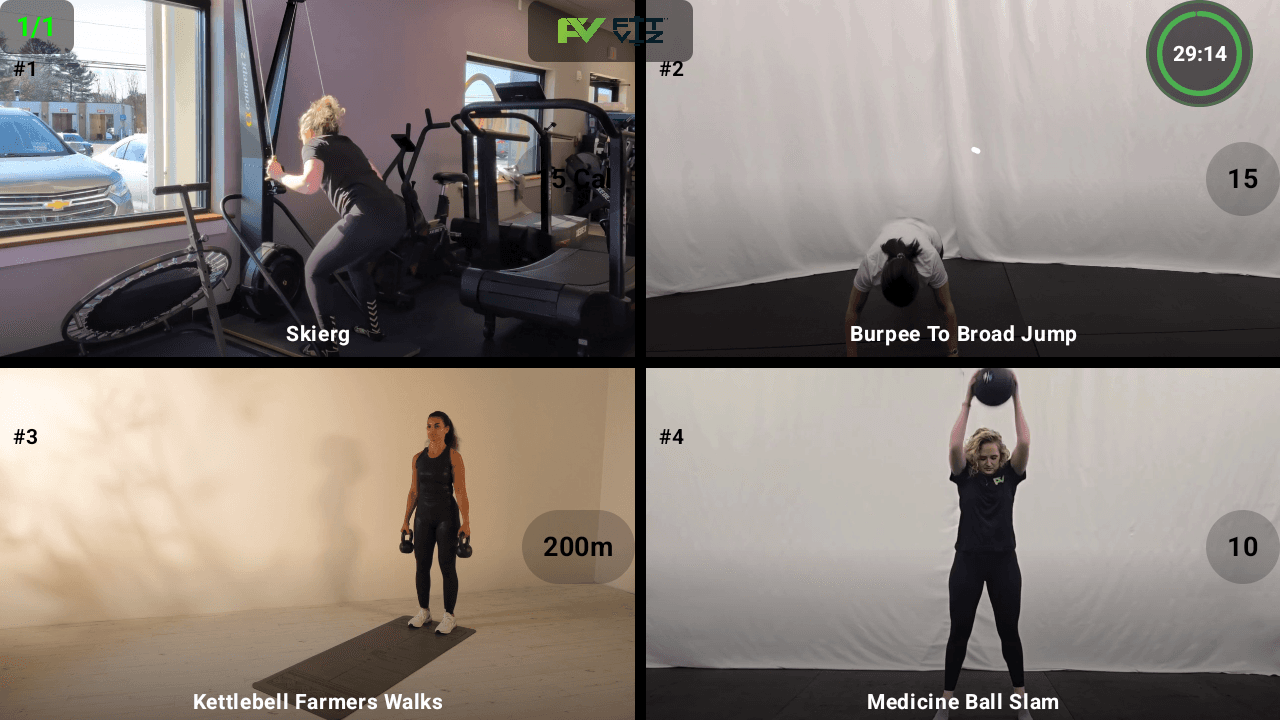
Fitness is not “equipment + memberships” anymore. That era is over.
Today’s fitness tech news points to one clear shift: the winners are building connected systems. Not scattered tools. Not five logins. Not “a timer app plus a booking app plus a TV with cable.”
The new baseline is:
- Cloud Fitness that follows members anywhere
- A Gym TV that teaches, times, and motivates (not a silent news loop)
- Biometrics that guide intensity and recovery
- A member app that feels modern
- A simple operator dashboard that runs the business
Fit Viz is built for this new baseline. It connects:
- Workout displays (with 1,000+ exercise demos)
- Booking + payments
- Send workouts to any device (TV, phone, watch, tablet, computer)
- Heart rate, HRV, TRIMP, and readiness
- An AI Fitness Coach that explains what to do next
- 4,800+ nonstop gym music mixes across genres and BPM
This article will breakdown:
- What fitness tech news is signaling right now
- What Cloud Fitness means (simple definition)
- Why the “dumb” Gym TV is dying
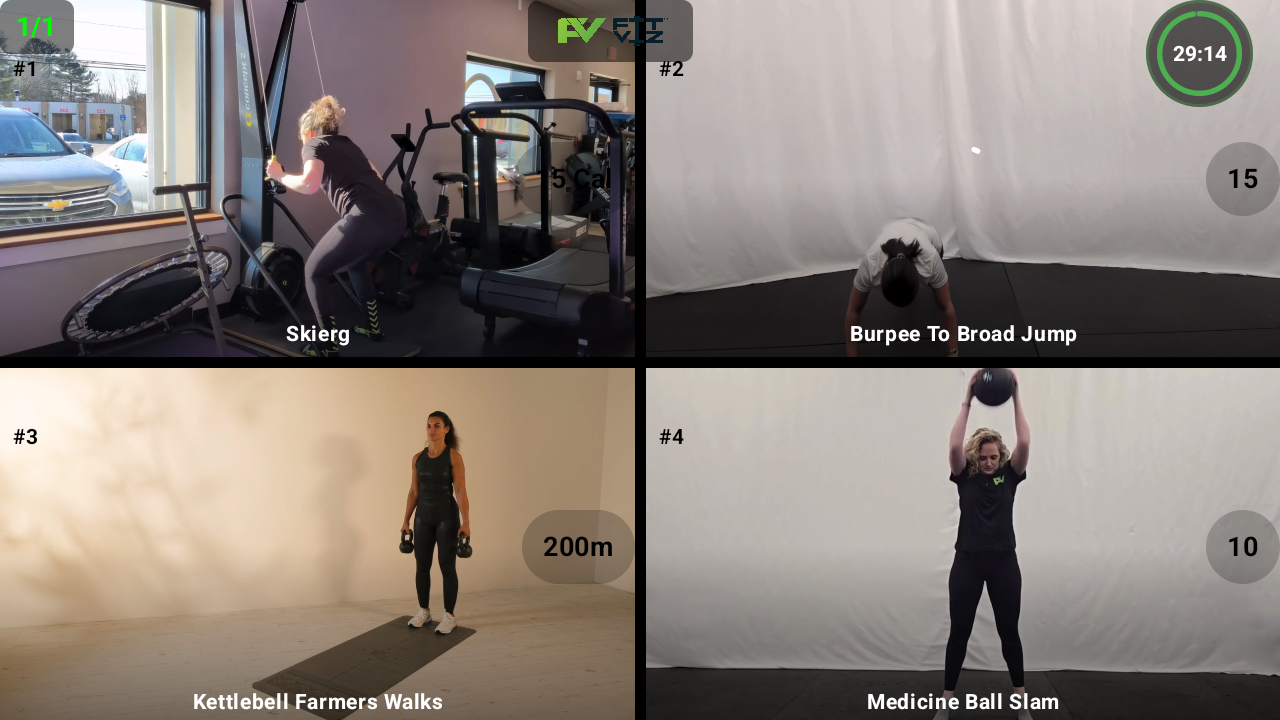
- The new Gym TV: screens as a digital coach
- Cloud Fitness for hybrid athletes: any device, anywhere
- Biometrics + AI Fitness Coach: beyond heart rate
- Music as tech: BPM mixes and legal licensing
- The “franken-stack” problem and why unified systems win
- A simple Gym Tech Stack Audit checklist
- Why Fit Viz is the top solution for facilities
1. What fitness tech news is signaling right now
Most “fitness tech news” headlines are really about one thing:
Fitness is becoming a connected ecosystem.
The biggest industry trend reports keep pointing to this. ACSM’s 2026 trends report says wearable technology (Fitness Technology) is the #1 trend again. It also lists mobile exercise apps in the top five.
That matters because:
- Wearables are now common.
- Apps are now expected.
- Members now want data and guidance, not just workouts.
NASM’s 2026 trends write-up also highlights the rise of AI tools, wearables, and more personalized experiences.
What that means for gym owners
Your competition is not “the gym down the street.”
Your competition is:
- At-home apps with elite production
- Wearables that offer daily coaching
- AI tools that tell people what to do today
- Frictionless digital experiences
If your gym experience still feels like 2015, members notice.
The biggest fitness tech news stories of 2026 (so far)
Before the deep dives, here's the fitness tech news that actually matters for gym operators this year - updated July 2026:
1. Wearables hit the World Cup - and your members noticed. National teams at the 2026 World Cup are using wearable trackers to manage training load, sleep, and recovery, and mainstream outlets like CNN are teaching everyday athletes to track the same metrics. The downstream effect for gyms: members now walk in wearing devices that measure heart rate, HRV, and strain - and they expect their gym to do something with that data. Facilities running heart rate zone displays are converting this trend into engagement; facilities ignoring it look dated.
2. AI moved from chatbots to operations. The 2025 wave of AI fitness technology was member-facing chat. The 2026 wave is operational: at-risk member prediction, automated programming assistance, and readiness scoring. Every major platform - Wodify, WHOOP, Fitbit, Fit Viz - shipped AI features in the last twelve months. The differentiator now is depth, not novelty.
3. Cloud fitness became the default architecture. The phrase "cloud fitness" barely existed in gym-operator vocabulary three years ago. In 2026, it's the assumed architecture: programming, schedules, member data, and displays living online and syncing to every screen. The full breakdown of what cloud fitness means - and which platforms actually deliver it - is below.
4. Racing formats keep pulling tech adoption forward. Hyrox's continued growth is pushing station-based training into mainstream gyms - and station formats are screen-and-timer-dependent by nature. Facilities adding Hyrox-style classes discover quickly that a whiteboard can't run an 8-station rotation; a connected workout display with an integrated timer can.
5. Screen-first gym floors crossed the tipping point. The muted-cable-news gym TV is now a competitive liability. Purpose-built workout delivery on gym screens - the category CloudFit.tv and Fit Viz operate in - moved from early-adopter to expected, especially in class-based fitness.
6. Music licensing enforcement got real. More facilities received compliance notices in 2025-2026 for playing personal streaming accounts commercially. Licensed gym music services went from nice-to-have to risk management.
2. Cloud Fitness explained in plain terms
Cloud Fitness means your gym’s “brain” lives online.
It means workouts, schedules, member profiles, and progress data are not trapped on:
- A coach’s phone
- A front desk computer
- A paper whiteboard
- A local server
Instead, Cloud Fitness makes your gym’s programming and member experience available:
- In the facility
- At home
- While traveling
- On any device
This is “omni-channel delivery.”
Cloud Fitness is not “online workouts”
Cloud Fitness is bigger than streaming.
Cloud Fitness means:
- Build workouts once
- Push them everywhere
- Keep them synced automatically
That includes:
- TVs in the gym
- TVs at home
- phones
- tablets
- watches
- computers
Fit Viz is built for exactly this.
What is a cloud fitness gym?
A cloud fitness gym is a facility whose entire operating system - booking, payments, programming, workout delivery, timing, and member data - runs on cloud software instead of local machines, paper, and disconnected apps. In a cloud fitness gym:
- Members book classes and pay through a cloud booking platform, not a front-desk binder
- The day's workout displays on gym screens automatically, pulled from cloud programming - no coach re-typing on a whiteboard
- Timers for intervals, EMOM, AMRAP, and Tabata run inside the same cloud workout timer system, synchronized across every screen
- Heart rate data streams to live zone displays on the floor
- A member who trains at home or while traveling gets the same programming, demos, and tracking on their own devices
The practical test: if your gym's internet went down, what would still work? In a traditional gym, everything (because nothing was connected). In a cloud fitness gym, brief offline caching covers the class, then everything re-syncs. The trade is worth it - because when the internet is up, a cloud fitness gym runs itself in ways a traditional facility never can.
Cloud fitness vs. traditional gym software
| Dimension | Traditional gym software | Cloud fitness |
|---|---|---|
| Where data lives | Front-desk PC, local server, paper | Cloud - synced everywhere |
| Programming delivery | Whiteboard, printouts, coach's phone | Every screen and device, instantly |
| Booking | Phone calls, front desk, standalone app | Integrated cloud booking with waitlists |
| Timing | Wall clock, phone timer apps | Integrated timers synced to the workout |
| Member experience away from gym | None | Same programming on any device |
| Updates | Manual, per-machine | Automatic, everywhere at once |
| Multi-location | Separate systems per site | One system, location-aware |
Cloud fitness platforms and brands: who's who in 2026
Search "cloud fitness" and you'll find a confusing mix of brands that share the words but not the category. Here's the disambiguation no one else has written:
| Brand | What it actually is | Best for | Not for |
|---|---|---|---|
| Fit Viz | Full cloud fitness platform: booking, payments, workout displays, timers, heart rate zones, member apps | Class-based gyms wanting one connected system | Facilities wanting entertainment-only screens |
| CloudFit (cloudfit.tv) | Gym digital signage focused on workout delivery to screens | Facilities wanting display software only | Operators needing booking, payments, or timing in the same system |
| MyCloudFitness / MCF Thrivified | Companion app ecosystem for connected home fitness equipment (sold via Amazon and app stores) | Home equipment owners | Commercial gym operations |
| My Fit Cloud | Member-facing fitness app (Google Play) | Individual training app users | Facility management |
| Halo Fitness Cloud (halo.fitness) | Equipment-connected facility platform from the Life Fitness ecosystem | Facilities standardized on compatible commercial equipment | Independent gyms wanting hardware-agnostic software |
| Cloudfit (cloudfit.io) | Corporate wellbeing platform - unrelated to gym software | Enterprise HR wellbeing programs | Gym operations of any kind |
The takeaway: most brands with "cloud" in the name cover one slice - displays only (CloudFit.tv), equipment companions (MyCloudFitness), member apps (My Fit Cloud), or an adjacent market entirely (cloudfit.io). A true cloud fitness platform connects all the layers: booking, delivery, timing, effort tracking, and member experience. That full-stack definition is what the rest of this article covers.
The cloud fitness stack - 5 layers every gym needs
1. Operations layer - cloud booking software handling class scheduling, capacity rules, recurring memberships, and payments. This is the business foundation of any cloud fitness gym.
2. Delivery layer - workout displays turning every TV into a coaching surface: the day's workout, movement demos, scaling options.
3. Timing layer - an integrated workout timer running EMOM, AMRAP, Tabata, intervals, and station rotations inside the same screens.
4. Effort layer - live heart rate zones making intensity visible and coachable, and feeding readiness data (HRV, TRIMP) back to members.
5. Member layer - apps and wearable connections extending the gym experience to home, travel, and everyday tracking.
See the full cloud fitness stack in one platform
Fit Viz connects booking, displays, timers, and heart rate zones - free to start, no credit card.
3. The death of the dumb Gym TV
For decades, the Gym TV was wasted space.
- Muted cable news
- Random music videos
- Ads nobody watches
- Distracting content that doesn’t help training
The screen is now “the most valuable real estate on the training floor.”
That matches what the market is doing.
Digital signage companies are now targeting gyms because screens are becoming a core communication tool (schedules, promos, class updates).
But there is a bigger leap beyond signage.
A Gym TV should not just “communicate”
A Gym TV should coach.
A real training screen should:
- Show the workout
- Show the timer
- Show the next movement
- Show demos
- Show effort data when needed (heart rate zones)
This is the gap between:
- Digital signage
- And a true Gym TV training system
4. The new Gym TV: from “screen” to “digital coach”
A modern Gym TV does three jobs:
Job 1: Instruction
- Members need to see what to do.
- They should not guess.
- They should not wait for a demo every round.
Fit Viz: 1,000+ demo library(exercise variations)
Fit Viz’s workout display system is designed around this idea: high-definition workout guidance with movement demos on TVs.
Job 2: Timing
A good class runs on timing.
- Work / rest
- Intervals
- Station rotations
- EMOM / AMRAP / Tabata
- Transitions
If timing is unclear, the class breaks down.
Fit Viz includes workout timers as part of the display experience so coaches stop being human stopwatches.
Job 3: Motivation through clarity
Most members do not quit because training is hard.
They quit because training is confusing.
The Gym TV fixes that by keeping the room aligned.
That reduces:
- Wasted time
- Frustration
- Intimidation
- Coach burnout
Fit Viz: “Offloading the repetitive task” so coaches can coach.
5. Cloud Fitness for hybrid athletes
The modern athlete is hybrid.
They train:
- In the gym
- At home
- Outdoors
- While traveling
That is not a trend. It is normal now.
Many 2026 trend sources describe this shift toward more personalized, tech-supported training experiences. (NASM)
What hybrid members expect
Hybrid members want:
- The same programming quality everywhere
- The same movement demos everywhere
- The same tracking everywhere
- The same coaching cues everywhere
They do not want:
- PDFs, Spreadsheet and Google Slides
- Long texts
- Broken links
- Random YouTube playlists
Fit Viz pushes workouts to any device.
Fit Viz “any device” delivery (simple view)
In the gym
- Gym TV shows the workout and timer
- Members follow demos on screen
- Coaches focus on form
At home
- Smart TV workout display
- Same workout, same demos
- Same pacing and structure
On the go
- Phone and tablet support quick access
- Watch cues for training prompts and tracking
Deep review
- Computer for programming review and performance trends
This is Cloud Fitness done right. Not “content.” A full delivery system.
6. Biometrics + AI Fitness Coach: Beyond the heartbeat
Wearables are not just step counters anymore.
ACSM still ranks wearables as the top trend for 2026. (ACSM) And many modern wearables are shifting from tracking to coaching.
The big shift: from passive tracking to active coaching
A strong AI Fitness Coach does not just show data.
It answers questions like:
- Should I push today or scale today?
- Am I recovered enough for intensity?
- Why did that workout feel harder than normal?
- What should I do next?
Mainstream brands are moving this way.
- WHOOP added an AI coach feature for personalized guidance (support content updated in 2026).
- Fitbit has been reported to be expanding AI health coaching features in 2026. (The Verge)
Fit Viz: HR + HRV + TRIMP + Readiness
The difference:
- Many systems track heart rate
- Fit Viz also uses HRV and TRIMP to calculate readiness
TRIMP is a training load metric that blends:
- Duration
- Intensity
Your post includes the classic TRIMP formula and the idea behind it.
Why readiness matters for retention
Readiness is not just “performance data.”
It is a retention tool.
When members push hard every day, they burn out.
When members train with smart intensity, they stay.
Fit Viz uses readiness logic so the system can suggest:
- Recovery sessions
- Scaled versions of the workout
- Lower intensity options
That is how fitness tech becomes a safety and retention engine, not just a scoreboard.
7. Heart rate zones and live leaderboards in group training
This is where Gym TV and biometrics meet.
Heart rate zones work because they make effort fair.
- A beginner can be in the same zone as an athlete.
- Output differs. Effort matches.
That improves:
- Safety
- Motivation
- Inclusivity
- Engagement
Live leaderboards and zone gamification are the real drivers of engagement.
Fit Viz supports heart rate displays and gym-floor visuals as part of its ecosystem approach.
Zone training is also where the fitness tech news cycle and the gym floor meet most directly. The same wearable trend headlines coming out of the 2026 World Cup - load management, recovery tracking, strain scores - translate into one gym-floor feature: live zone displays. Members already wear the sensors. A cloud fitness gym puts that data on the wall, in real time, during class.
Fit Viz's heart rate zones display shows every member's current zone on the gym screen - making effort fair across fitness levels, gamifying intensity, and giving coaches an honest read on who needs to push and who needs to scale.
Put your members' wearables to work
Live heart rate zone displays for group training - connected to the same system that runs your booking and workouts.
8. Gym music is fitness tech now (and licensing matters)
Music is not background noise.
Music controls:
- Energy
- Pacing
- Vibe
- Class consistency
Fit Viz: “Auditory engineering-FitBeats” has 4,800+ nonstop mixes across BPM and genres.
Why BPM matters
BPM alignment helps match music intensity to training intensity.
Examples:
- High BPM for HIIT
- Moderate BPM for strength pacing
- Lower BPM for yoga and flow
Licensing is real for businesses
If your gym plays music publicly, licensing is a compliance issue.
A 2026 legal article notes businesses can license music through PROs like ASCAP, BMI, SESAC, and GMR, or use licensed music services.
This matters because personal Spotify or Apple Music accounts are not designed for commercial playback in a business context. (Nixon Peabody LLP)
Fit Viz’s “licensed mixes” positioning is attractive to gyms because it reduces legal risk and improves the in-class experience.
9. Booking and payments still matter (because friction kills attendance)
A premium class experience is wasted if booking is painful.
Cloud Fitness is not just training content.
It is also:
- Booking
- Payments
- Policies
- Waitlists
- Attendance tracking
You have to streamline the business side or the “great workout” doesn’t scale.
Fit Viz includes:
- Book and pay for classes
- Member management
- Unified dashboard
That reduces staff time and improves member convenience.
10. The “franken-stack” problem: Subscription creep and Time Wastage
Most gyms do not have one system.
They have a stack.
A typical stack looks like:
- Booking software
- Payment system
- Heart Rate leaderboard app
- Workout tracking app
- Digital signage tool
- Workout Timer tool
- Music Appliccation
- Staff communication tool
That is expensive. And it breaks.
Sample stack comparison (illustrative)
| Category | Franken-Stack (example) | Fit Viz Unified Stack (example) |
|---|---|---|
| Gym management (billing/booking) | $2,400/yr | Included |
| Heart Rate leaderboard tool | $2,388/yr | Included |
| Exercise library/tracking tool | $948/yr | Included |
| Licensed music service | $324/yr | Included |
| Workout display software | $1,200/yr | Included |
| Total (example) | $7,260/yr | $999/yr |
The "Soft Cost" Recovery (Time = Money)
The bigger win is usually time. The biggest ROI isn't on the balance sheet - it’s in the Coach Utilization Rate.
1. The "Demo Drain" Reduction
In a standard 60-minute HIIT class, a coach typically spends 10 minutes demonstrating movements and explaining the circuit.
- The Math: 10 mins x 5 classes/day x 300 days = 250 hours/year spent demoing.
- The Savings: With Fit Viz handling the visual 4K demos, your coaches spend that time on individual form correction and high-touch motivation.
- Financial Impact: At an average senior coach rate of $43/hr, that is $10,750 in labor value shifted from "demonstration" to "value-add coaching."
2. Programming Efficiency
- Typically spent 1 hour per week planning the weekly workout (Cut down to 10 minutes for manual programming or 3 minutes using AI)
- Franken-Stack: 4 hours/week syncing WODs across apps, TVs, and member emails.
- Fit Viz: 10 minutes/week via one-click Cloud Fitness syncing(Happens in seconds after workout has been built).
- Total Time Saved: - 251 hours/year.
Even if your exact numbers differ, the logic is correct:
- When screens demo movements, coaches coach more.
- When one platform syncs everything, admins waste less time.
- When the system is unified, fewer things break.
11. The Gym Tech Stack Audit (quick checklist)
Use this audit to grade your facility.
1) Visual standard (Gym TV & instruction)
- Do TVs show workout demos and timers (not cable news)?
- Do you have a demo library big enough for daily variety?
- Can coaches stop repeating demos every round?
2) Cloud Fitness & hybrid reach
- Can you send workouts to phone, tablet, TV, and computer?
- Can members train with your programming while traveling?
- Do updates sync everywhere instantly?
3) Biometric brain (AI & recovery)
- Do you track HRV and TRIMP, not just calories?
- Do you calculate workout readiness with an AI Fitness Coach?
- Do you have live leaderboards for engagement?
4) Gym music
- Is music licensed for commercial use?
- Can you match BPM to training intensity?
- Do you have enough mixes to avoid repetition?
5) Operational friction
- Can members book and pay fast?
- Is everything in one system?
How did you score?
- 15/15: Tech Titan. You are likely already using Fit Viz or something very close. Your retention is high, and your operations are seamless.
- 10-14: The Modernizer. You have the basics, but you’re leaving money on the table by not integrating your biometrics or visual instruction.
- Under 10: The Legacy Gym. You are at high risk of losing members to "Smart Studios." It’s time to move your brain to the Cloud Fitness era.
The Fit Viz Solution: If you checked fewer than 12 boxes, your tech stack is working against you. Fit Viz was designed to turn every "No" on this list into a "Yes" with a single, unified platform. From 4K Gym TV displays to AI-driven Workout Readiness, we handle the tech so you can handle the training.
12. Why Fit Viz is the top solution for fitness facilities
Fit Viz wins because it is not one feature.
It is a full Cloud Fitness ecosystem.
Fit Viz turns Gym TV into a training tool
- 1,000+ exercise demos for in-class guidance
- Workout display layouts for WODs, circuits, stations
- Timers built into the class flow
Fit Viz extends Cloud Fitness outside the gym
- Send workouts to TV, phone, watch, tablet, computer
- Trainers can assign workouts to remote clients
- Members get a consistent brand experience anywhere
Fit Viz adds modern coaching intelligence
- Heart rate training
- HRV and TRIMP analysis
- Workout readiness and an AI Fitness Coach
This matches the broader 2026 trend: wearables and AI coaching are becoming normal expectations.
Fit Viz engineers atmosphere
- 4,957+ nonstop gym music mixes by Genre and BPM
- Licensed commercial playback positioning aligns with real business licensing needs
Fit Viz streamlines operations
- Book and pay for classes
- Spot or station booking
- Unified dashboard for staff
Where to follow fitness tech news (the honest list)
This page is refreshed monthly with the fitness tech news that matters for gym operators - but no single source covers everything. The publications worth following:
- Athletech News - the deepest dedicated coverage of the fitness and wellness industry; their fitness tech trends reporting on wearables, AI, and VR is the category standard
- Fitt Insider - business-of-fitness newsletter with sharp analysis on funding, startups, and market shifts
- Fast Company - Fitness Tech - mainstream design-and-innovation angle on fitness technology
- TechCrunch - Fitness- startup and funding coverage for fitness tech companies
- Fitness Technology Today - consumer-leaning coverage of wearables, apps, and health tech advancements
- Mainstream health desks (CNN Health and similar) - increasingly covering wearable and recovery tech as it crosses into everyday training
What none of them cover: the operator's view. Those publications report what's launching; this page translates what it means for a facility - which trends demand action (heart rate zones, screen-first delivery), which are noise, and how the cloud fitness stack actually gets deployed. Different jobs. Follow both.
Final takeaway
The most important fitness tech news trend is not one gadget.
It is the shift to integrated ecosystems.
That ecosystem has three pillars:
- Cloud Fitness that follows members everywhere
- Gym TV that teaches and runs class flow
- Data and AI that guide training and recovery
Fit Viz is built to deliver all three.
It helps facilities:
- Reduce tool sprawl
- Reduce coach burnout
- Increase retention through clarity and engagement
- Deliver a premium experience in-gym and at-home
Ready to run a cloud fitness gym?
The most important fitness tech news trend isn't a gadget - it's the shift to connected cloud fitness systems. Every layer is ready today:
-
Booking Software - free class booking and payment collection, no platform fee
-
Workout Display - turn every gym TV into a digital coach
-
Workout Timer - EMOM, AMRAP, Tabata, and intervals built into the same screens
-
Heart Rate Zones - live effort displays powered by the wearables your members already own
-
Try Free for 14 Days - no credit card, set up in under an hour