Partner WOD: Why Training in Pairs Increases Intensity
Partner WOD training increases intensity through accountability and pacing. Learn the best Partner WODS formats, why pairs keep effort higher, and how Fit Viz displays partner logic with built-in timers and side-by-side heart rate tiles to make partner workouts clear, engaging, and easy to coach.
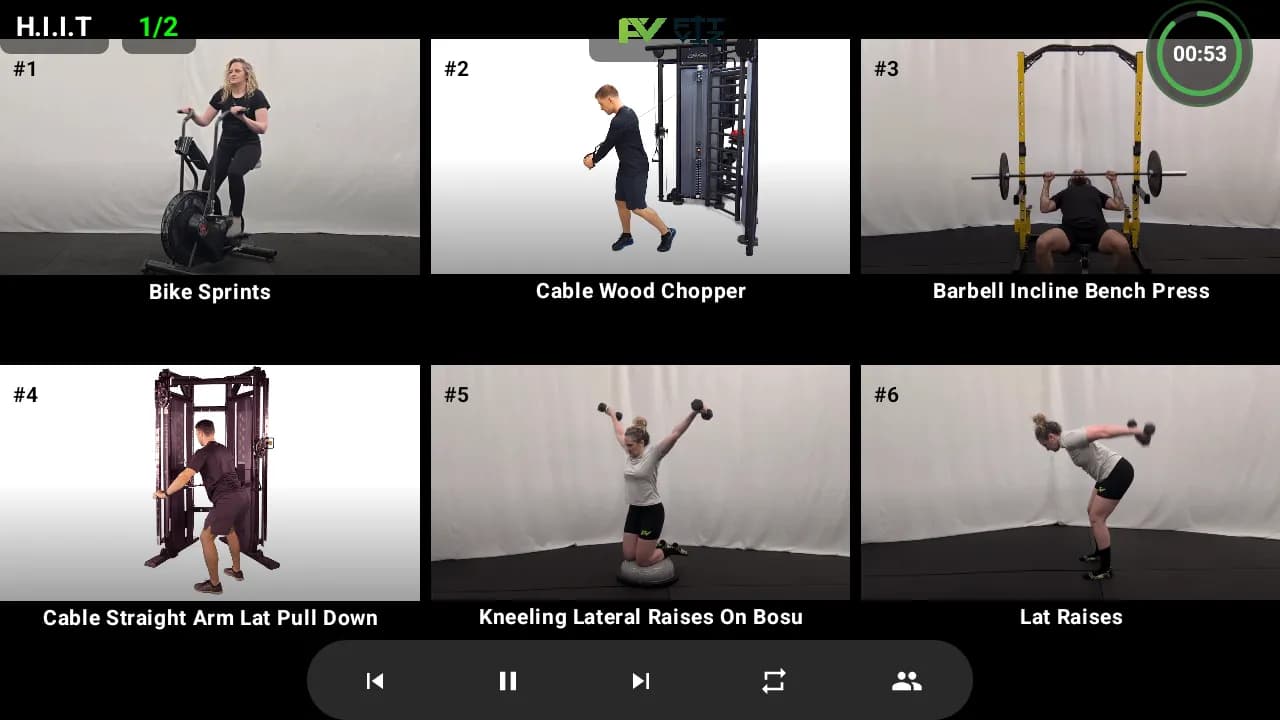
There’s a unique energy that only a Partner WOD (Workout Of the Day) can create. When someone else is counting on you - whether it’s “I go, you go” intervals or “split the reps however you want” - effort becomes more consistent, rest becomes more intentional, and intensity rises naturally. That’s why Partner WODS are one of the most powerful tools a gym can use for community, retention, and class engagement.
In this post we will expound on:
- The psychology of Partner WODS and why intensity increases
- Heart-rate driven partner training (real-time effort visibility)
- Fit Viz “Sync” feature: on-screen partner logic + workout display guidance (timers + structure)
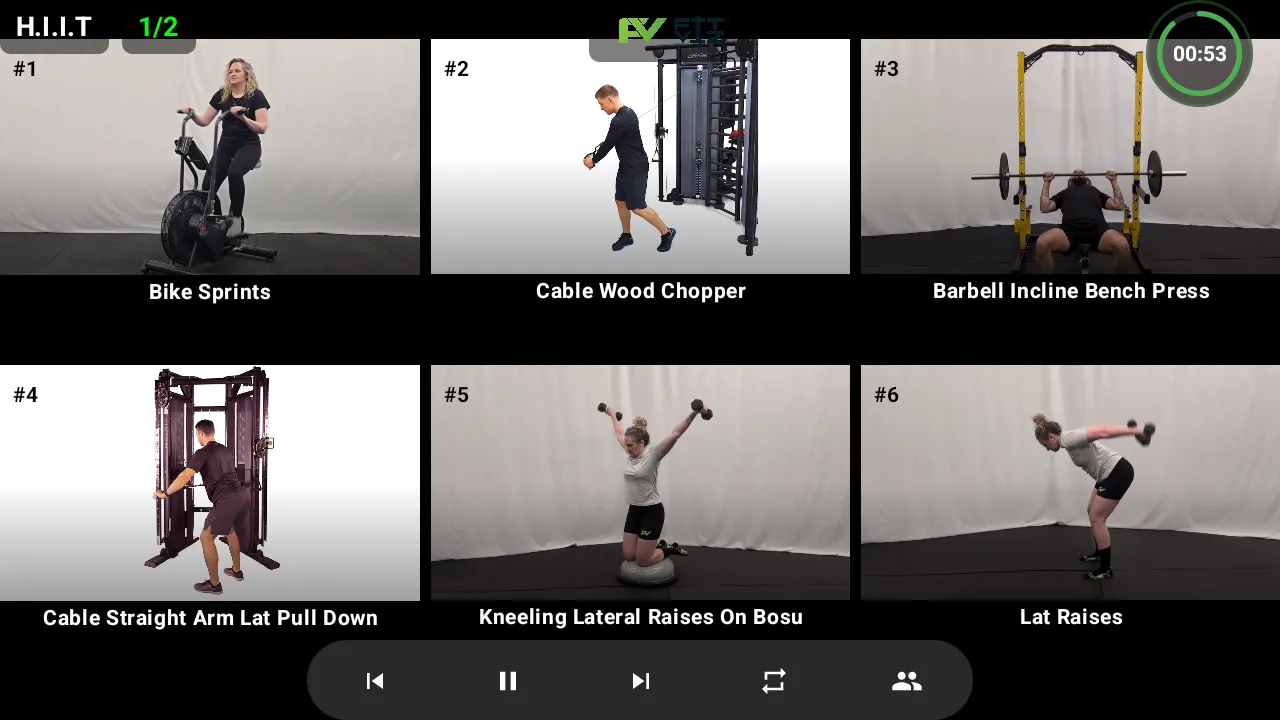
Why Partner WODS increase intensity (and why it’s not just “motivation”)
A Partner WOD changes the workout environment in three ways:
1. Accountability becomes immediate
When you train alone, you can ease off without anyone noticing. In Partner WODS, effort is visible - even if no one says anything. That creates a healthy pressure to keep moving.
2. Rest becomes structured instead of accidental
In many solo workouts, athletes “rest” because they’re unsure what’s next or because the room feels chaotic. In a Partner WOD, rest is earned and timed: your rest is your partner’s work time. This makes pacing cleaner and keeps intensity higher for longer.
3. Output stays higher because performance is shared
Partner formats create a shared goal: finish the round, hit the target, maintain pace. Athletes tend to push closer to their true capacity because there’s a built-in reason to do so.
This is why Partner WODS often feel harder than similar workouts done solo - even when the total work is the same.
The psychology of Partner WODS and retention
Partner WODS aren’t just fun - they’re a retention tool because they reduce two common reasons people quit:
- Feeling alone or unnoticed
- Feeling overwhelmed by intensity without support
Training in pairs creates:
- Belonging through shared effort
- Immediate feedback and encouragement
- More consistent attendance (“my partner expects me”)
- Stronger social ties (the gym becomes community, not just a place)
Even if your gym runs mostly individual workouts, adding a weekly Partner WOD can strengthen culture quickly.
Partner WOD formats that work best in real classes
If you want Partner WODS to run smoothly, choose formats that are simple to understand and easy to coach.
1. “I go, you go” intervals (best for intensity)
One partner works while the other rests. Switch on a timer or when reps are completed.
Why it works:
- Clear roles
- Natural intensity spikes
- Clean pacing
- Minimal confusion
2. “You go, I go” full rounds (best for structure)
Each partner completes a round, then tags the other partner in.
Why it works:
- Easy tracking
- Predictable transitions
- Athletes learn pacing quickly
3. “Split reps however you want” (best for strategy)
Partners share a total rep target. They decide how to divide work.
Why it works:
- Encourages communication
- Allows mixed ability partners
- Creates smart pacing strategies
The risk: this format can get messy without clear visual guidance and timers.
How heart rate makes Partner WODS even more effective
Partner WODS increase intensity, but heart rate tracking helps coaches make sure that intensity stays productive and safe.
Why Heart Rate Training fits Partner WODS perfectly
In a pair workout:
- One partner may redline too early
- The other may under-push and recover too long
- Pacing can become uneven
When partners can see effort in real time, the workout becomes self-correcting:
- “You’re in the red - take a longer recovery before your next set.”
- “You’re still in green - push harder on your next interval.”
- “Let’s alternate faster so neither of us spikes too high.”
This is why partner heart rate displays make workouts feel like a game: you’re not only doing reps, you’re managing effort together.
The Fit Viz “Sync” feature: how gyms run Partner WODS without confusion
Partner workouts often create coaching chaos:
- Athletes forget the rules mid-workout
- Timing and transitions drift
- Partners lose track of who is up
- Coaches spend time repeating instructions instead of coaching form
Fit Viz solves this by making partner logic visible.
1. Partner Logic displayed on Workout Screens
With Fit Viz, the workout display can show:
- The Partner WOD rules (“I go, you go,” or “split reps”)
- Current interval timing (work/rest/rotate)
- “What’s next” prompts so transitions stay clean
- Clear round structure so partners don’t lose their place
Instead of the coach shouting reminders, the room follows the screen.
2. Side-by-side heart rate tiles for both partners
Fit Viz can display heart rate tiles for partners next to each other, so athletes can see:
- Who is redlining
- Who is recovered
- Whether pacing is balanced
- When to tag earlier or extend rest
This turns a simple Partner WOD into a collaborative, high-tech experience - without adding complexity for the coach.
3. Built-in timers that keep pairs synchronized
Partner WODS work best when timing is consistent. Fit Viz’s workout timers help by:
- Running intervals automatically
- Signaling transitions clearly
- Keeping the whole room on the same cadence
That reduces mistakes and makes large partner classes feel organized.
Why facilities benefit from Partner WODS + Fit Viz
For gym owners, partner classes can drive:
- Higher attendance on community days
- Better new-member onboarding (paired support)
- Stronger retention through relationships
- A more memorable class experience
Fit Viz supports this by improving execution and reducing coach workload:
- Clearer instructions on screens
- Less time spent managing logistics
- More time coaching form and pacing
- More engaging classes through visible heart rate collaboration
Conclusion
A Partner WOD creates intensity through accountability, structure, and shared goals. Partner WODS also build retention because they turn workouts into relationships - members don’t just train near each other, they train with each other.
Fit Viz makes partner training easier to run and more engaging by displaying partner logic on workout screens, syncing built-in timers to keep transitions clean, and showing heart rate tiles side-by-side so partners can pace intelligently together. The result is a high-energy class that feels organized, inclusive, and memorable.