DEKA vs MURPH Challenge: Which Test of Fitness Is for You?
DEKA vs MURPH Challenge: Compare two iconic fitness tests and learn which is right for your goals. Discover how DEKA rewards speed and efficiency while the MURPH Challenge tests endurance and grit - and how Fit Viz runs heat timers, competition layouts, and live leaderboards for professional event days.
Two fitness challenges dominate conversations in functional training: DEKA and the MURPH Challenge. They are both hard. They are both iconic. But they test very different qualities - and they create very different event-day logistics for gyms.
If you’re deciding which test fits your goals (or which event your facility should host), the right answer depends on what you want to measure: speed and repeatable output, or endurance and grit under volume.
This article breaks down the core differences between DEKA and the MURPH Challenge, who each is best for, how gyms can run them safely, and how Fit Viz helps facilities manage timing, heat flow, and leaderboards for a professional event experience.
What is DEKA?
DEKA is a standardized functional fitness race format that emphasizes speed, efficiency, and repeatable power output. While there are multiple DEKA event types, the signature experience is built around 10 repeatable stations with running segments between them.
What DEKA tests
DEKA rewards athletes who can:
- Move fast and transition quickly
- Sustain high output without redlining early
- Maintain efficient movement mechanics under fatigue
- Handle repeated “work + run” cycles
- Pace strategically across a consistent station structure
DEKA is appealing because it’s standardized and measurable. Athletes can compare performances across time because the structure stays consistent.
What is the MURPH Challenge?
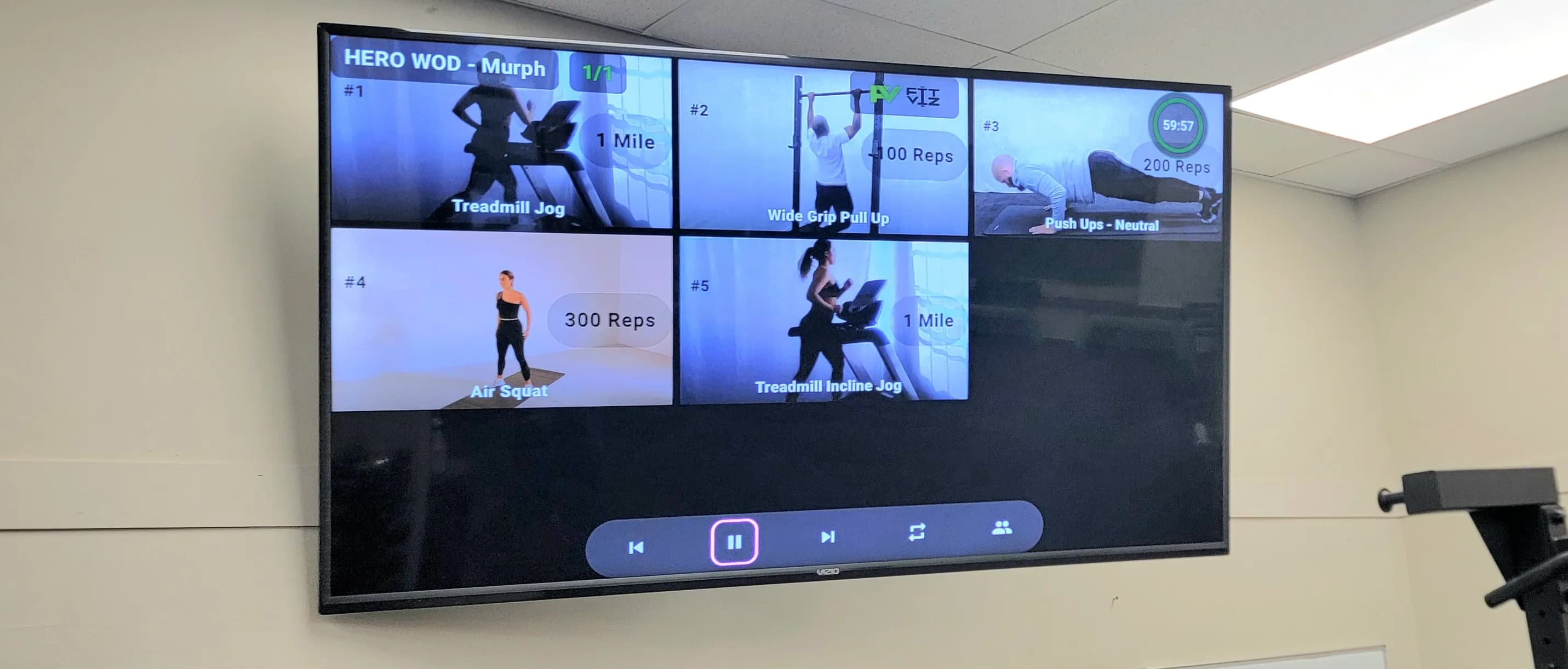
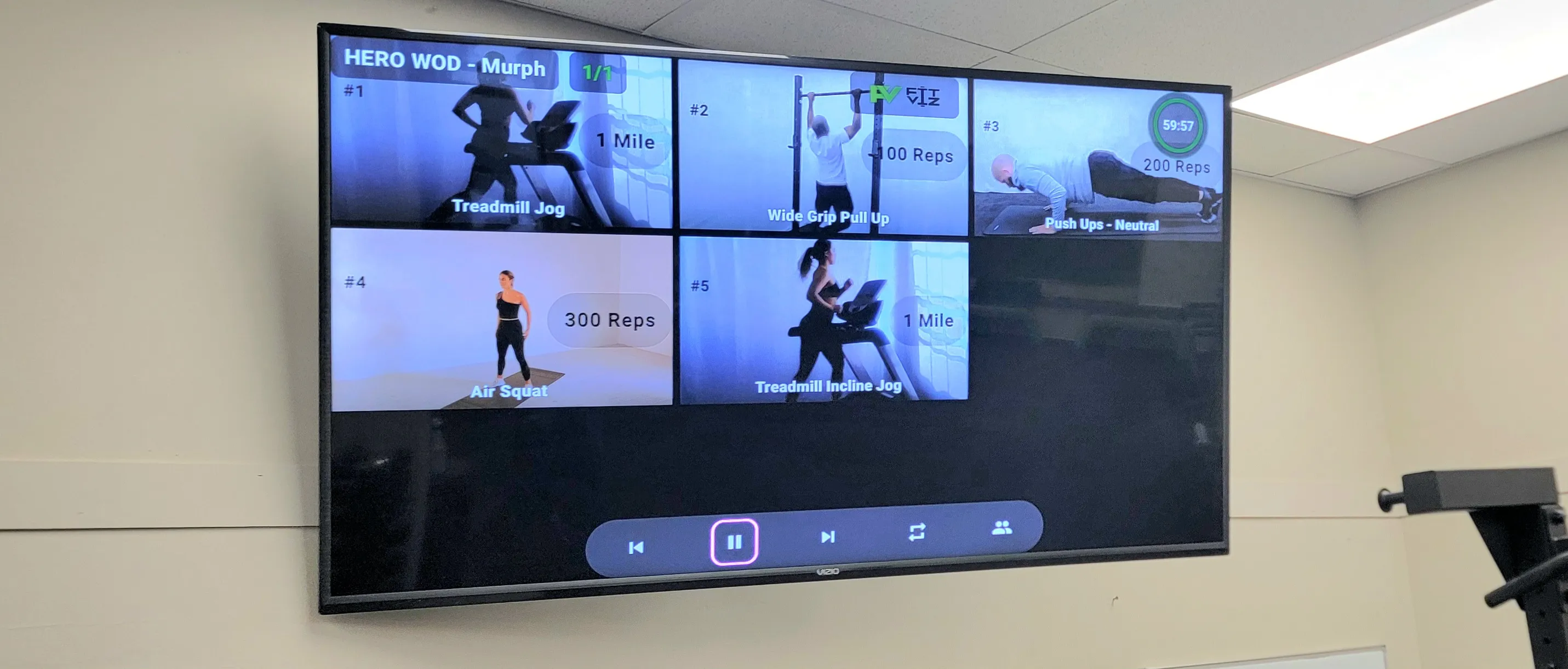
The MURPH Challenge is a classic HERO workout performed by many gyms around Memorial Day. It’s simple in structure and brutal in volume:
- 1 mile run
- 100 pull-ups
- 200 push-ups
- 300 air squats
- 1 mile run
Often performed with a weighted vest (commonly 20 lb), depending on the athlete and gym standards.
What Murph tests
The MURPH Challenge rewards athletes who can:
- Sustain long-duration work
- Manage high rep volume intelligently
- Maintain movement quality deep into fatigue
- Pace under monotony
- Endure discomfort without breaking down
Murph is less about speed between stations and more about staying mentally composed through sheer volume.
DEKA vs MURPH Challenge: the real differences
1. Standardized racing vs iconic endurance tribute
- DEKA feels like a race format: structured stations, transitions, and timed efficiency
- MURPH Challenge feels like a long-form endurance test with a cultural tradition and HERO WOD meaning
2. Output profile
- DEKA: repeated high-output bursts with quick transitions
- MURPH Challenge: sustained volume accumulation and pacing discipline
3. Skill and movement demands
- DEKA rewards efficiency and event-style flow
- Murph rewards repetition management and local muscular endurance (especially push-ups and pull-ups)
4. Who tends to enjoy each event
- DEKA is often ideal for athletes who love measurable racing and structured stations
- MURPH Challenge is often ideal for athletes who want a legendary benchmark and community suffering day
Which test of fitness is for you?
Choose DEKA if you want:
- A fast, competitive race format
- Standardized stations and measurable splits
- A test of speed, efficiency, and transitions
- A training goal that emphasizes repeatable intensity
DEKA is a great fit for athletes who like performance metrics and want a “sport” feel.
Choose the MURPH Challenge if you want:
- A gritty endurance benchmark
- A high-volume bodyweight test
- A mental toughness event
- A community tradition workout day
Murph is a great fit for athletes who want a rite-of-passage style challenge and a long, disciplined effort.
How gyms should program and scale each event
Scaling DEKA for mixed abilities
DEKA-style events scale well because stations can be adjusted by:
- Load
- Rep volume
- Run distance
- Movement substitution
The key is preserving the flow: work, transition, run, repeat.
Scaling the MURPH Challenge safely
Murph requires intelligent scaling because volume can break form quickly. Good scaling options include:
- Partitioning reps (e.g., 20 rounds of 5 pull-ups, 10 push-ups, 15 squats)
- Reducing volume for newer athletes
- Substituting movements (ring rows, band-assisted pull-ups)
- Modifying or removing the vest
- Using time caps and movement standards to prevent overuse injuries
The best Murph events focus on participation and quality, not suffering for suffering’s sake.
The hidden issue: event-day logistics can make or break both challenges
Whether you run a DEKA simulation or a Murph event, gyms face the same operational problem: chaos.
Common event-day pain points:
- Heat timing and start coordination
- Station management and transitions
- Tracking reps, rounds, or splits accurately
- Keeping athletes informed without constant shouting
- Running leaderboards without clipboards and confusion
- Keeping the room energized and organized for spectators
This is where Fit Viz becomes more than workout software - it becomes an event operating system.
How Fit Viz manages DEKA events and the MURPH Challenge
Fit Viz is designed to help gyms run competition-style days with clarity and structure.
1. Competition layouts for station timing and heat flow
For DEKA, Fit Viz can support structured station experiences by displaying:
- Heat timers and start prompts
- Station sequence and transitions
- Countdowns and pacing guidance
- Clear “what’s next” visuals to reduce confusion
For a MURPH Challenge, Fit Viz helps manage:
- Time caps and heat start times
- Workout structure visibility for athletes and spectators
- Clear tracking prompts so athletes don’t lose their place
- Consistent standards and scaling tiers displayed on-screen
2. Live leaderboards for motivation and professionalism
Fit Viz can display a live leaderboard view during event days, which:
- Increases engagement and intensity
- Makes the event feel professional and organized
- Reduces manual board updates
- Creates a spectator-friendly experience
For DEKA, leaderboards reward racing and splits. For Murph, leaderboards can reward completion times, partitions, or scaled categories.
3. Screen-based guidance reduces shouting and confusion
On event days, coaches and staff are stretched thin. Fit Viz reduces operational load by putting key information on screens:
- Timing
- Workout steps
- Station instructions
- Heat order and flow
That keeps athletes moving and keeps staff focused on safety and experience.
Conclusion
DEKA and the MURPH Challenge are both iconic fitness tests, but they measure different qualities. DEKA is a structured, high-octane race format built around stations, transitions, and speed. Murph is a legendary endurance benchmark built around volume, pacing, and grit.
For fitness facilities, running either one successfully depends on timing, heat management, and clear communication. Fit Viz supports both formats with competition-ready layouts, heat timers, and live leaderboards - turning a standard gym day into a professional-grade event that athletes want to repeat.