Gym Digital Signage: Digital Signage vs Workout Displays
Learn the difference between Digital Signage and Workout Displays for Gyms. Discover how Gym Digital Signage supports communication while workout displays guide timers, demos, and class flow - and how Fit Viz lets you toggle both on the same screens for a unified facility system.
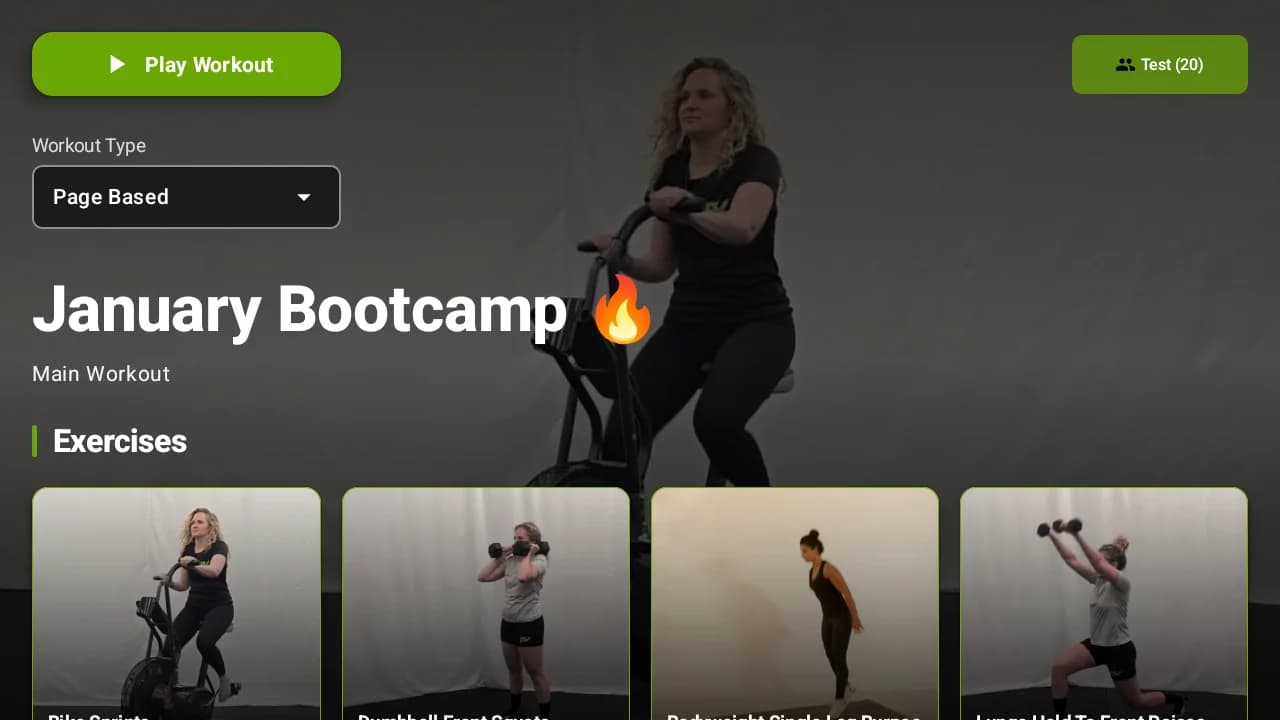
Is it Digital Signage or is it a workout screen? Most gyms treat every TV the same, then wonder why screens feel like background noise instead of a real operational tool. The truth is simple: the best facilities use both Gym Digital Signage and Workout Displays for Gyms, but they use them for different jobs.
Digital signage is for communication. Workout displays are for instruction. If you try to make one screen do both at the same time without a system, you end up with messy slides in the middle of a workout or a timer hidden behind an announcement. Fit Viz solves this by letting gyms switch modes seamlessly - same TVs, two purposes, one platform.
This article explains the difference, where each belongs in your facility, what content works best for each, and why Fit Viz is designed to turn your screens into a flexible system instead of a static TV setup.
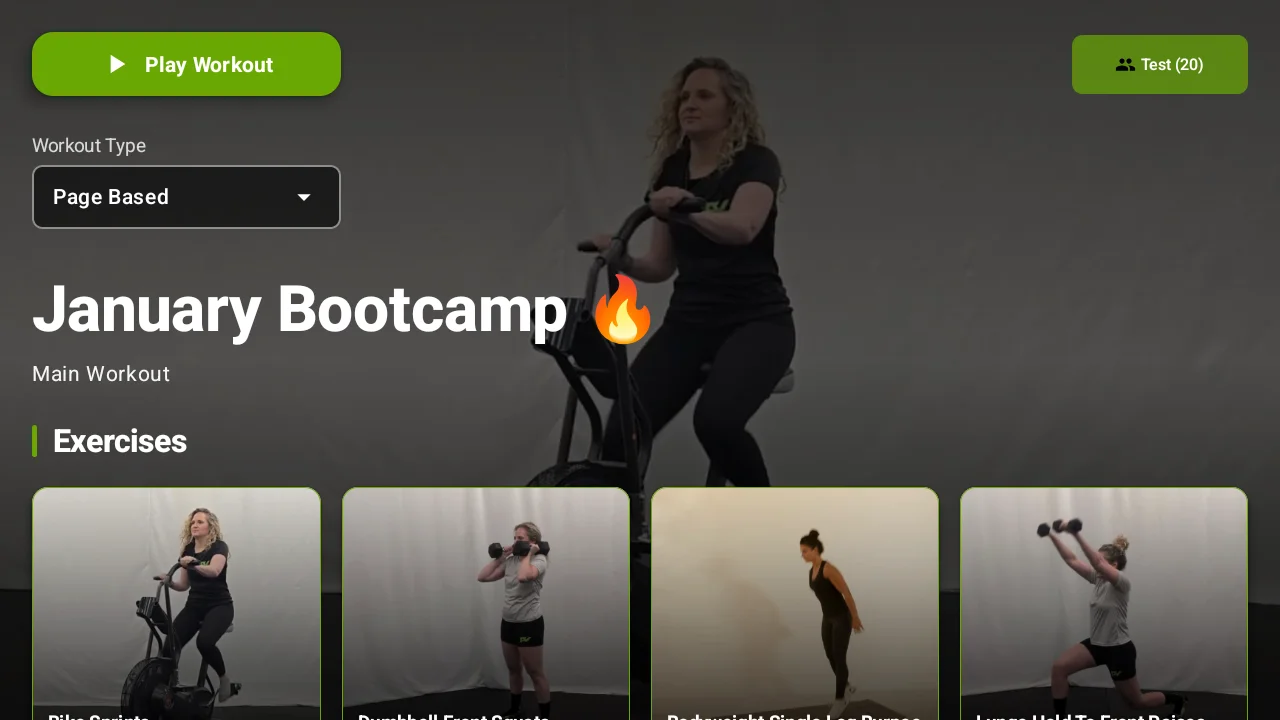
The key difference: communication vs instruction
What Digital Signage is for
Digital Signage is designed to communicate messages to people who are not actively training. It’s about awareness and reminders.
Common Digital Signage goals:
- Promote events and challenges
- Announce schedule changes
- Highlight member milestones and community wins
- Share nutrition tips or coaching cues
- Reinforce your brand and culture
- Reduce repetitive staff questions (“What time is the next class?”)
In other words, Gym Digital Signage supports the business and community experience.
What Workout Displays for Gyms are for
Workout Displays for Gyms are designed to guide people who are actively training. This is not “nice to have.” It’s part of class execution.
Workout display goals:
- Show the workout structure clearly (Workout of the Day blocks and stations)
- Run timers and intervals (EMOM, AMRAP, Tabata, Work/rest intervals)
- Display movement demos and standards
- Guide transitions and “what’s next”
- Show real-time data (optional), such as heart rate zones or leaderboards
Workout displays support coaching, pacing, and class flow.
Why most gyms get it wrong with screens
Gyms typically fall into one of these traps:
Trap 1: “TVs are just TVs”
They play cable news or random YouTube videos. The screens don’t support training and don’t build brand value.
Trap 2: “We use slides for everything”
The lobby schedule, the workout, the announcements - everything is in one rotating deck. During class, athletes can’t find the timer or the workout.
Trap 3: “We bought a digital signage tool, but it doesn’t run classes”
Traditional signage platforms can show content, but they usually aren’t built for workout timing, block changes, movement demos, or live training data.
That’s why it helps to clearly separate Gym Digital Signage from Workout Displays for Gyms - then choose a system that supports both without conflict.
Where Gym Digital Signage works best
Think of gym signage as content for “in-between moments.” It performs best in areas where members are not under load.
Best locations:
- Lobby and front desk
- Entry hallway
- Lounge and retail area
- Waiting zones outside studios
- Check-in area where questions happen
Best content types:
- Daily schedule and class highlights
- Promotions (intro offers, PT packages, workshops)
- Upcoming events and challenges
- Announcements and policy reminders
- Community content (birthdays, shout-outs, PR boards)
- Basic educational tips (nutrition, recovery, technique)
Gym Digital Signage reduces staff repetition and strengthens brand identity.
Where Workout Displays for Gyms work best
Workout displays belong where the training happens. They are functional tools, not marketing screens.
Best locations:
- Studio training floor
- Functional fitness zones
- Strength bays and conditioning areas
- Gardio sections running structured intervals
- Group training rooms with stations
Best content types:
- Workout blocks (warm-up, strength, metcon, finisher)
- Interval timing and time caps
- Movement demos and cues
- Station rotations and “next movement” prompts
- Class rosters and coaching prompts (optional)
- Heart rate Data/zones or performance overlays (optional)
Workout Displays for Gyms improve clarity, pacing, and consistency across coaches.
Why the best gyms use both (and why switching modes matters)
A facility can get huge value from screens if the same TVs can serve multiple purposes across the day.
Example workflow:
- Morning: lobby signage for schedule and announcements
- Class time: training zone screens switch to workout mode
- Midday: signage promotes upcoming workshops
- Evening rush: workout displays run class timers and demos
The key is not owning more TVs. The key is having software that lets you change the role of each screen instantly.
Fit Viz: one platform that toggles between Digital Signage and Workout Displays for Gyms
Fit Viz is designed to treat screens as a system. You can use the same hardware investment in two different ways depending on location and time.
1. Lobby mode: Gym Digital Signage
Fit Viz can power Gym Digital Signage screens that communicate:
- Schedules and announcements
- Promotions and events
- Community content and reminders
- Facility updates that reduce staff questions
This keeps members informed and reinforces your brand.
2. Training mode: Workout Displays for Gyms
Fit Viz can transform screens into Workout Displays for Gyms by showing:
- Workouts in clean, structured blocks
- Timers and interval formats
- Movement demos and transitions
- Optional real-time data visualizations
This supports class execution and reduces coaching admin.
3. One hardware investment, two functions
Instead of buying separate systems (signage tool + timer tool + workout display tool), Fit Viz consolidates screen usage into one platform. That means:
- Fewer subscriptions
- Fewer operational workarounds
- Consistent branding
- Better staff adoption
How to choose the right approach for your gym
Choose a standard Digital Signage tool if:
- You only need announcements and marketing screens
- You don’t run structured group workouts that need timers and demos
Choose a workout-only display tool if:
- You only care about in-class displays
- You don’t need lobby communication or promotional signage
Choose Fit Viz if:
- You want both Gym Digital Signage and Workout Displays for Gyms
- You want to toggle screens by zone and schedule
- You want one connected system that supports both communication and instruction
Conclusion
Digital Signage and Workout Displays for Gyms serve different purposes. Gym Digital Signage communicates - events, announcements, culture, and brand. Workout displays instruct - timers, demos, workout flow, and data. The best gyms use both, but they use them deliberately.
Fit Viz makes that easy by letting facilities toggle screens seamlessly: signage in the lobby, high-performance workout displays in the training zone. One hardware setup, two powerful solutions, and a more professional gym experience from entry to finish.