CrossFit Rx: Understanding Rx vs Scaled WODs
Learn what Rx CrossFit means and how to choose between Rx'd vs Scaled WODs based on stimulus, safety, and pacing. See how Fit Viz displays Rx standards and multiple scaling tiers on gym screens to reduce scaling confusion and improve class flow.
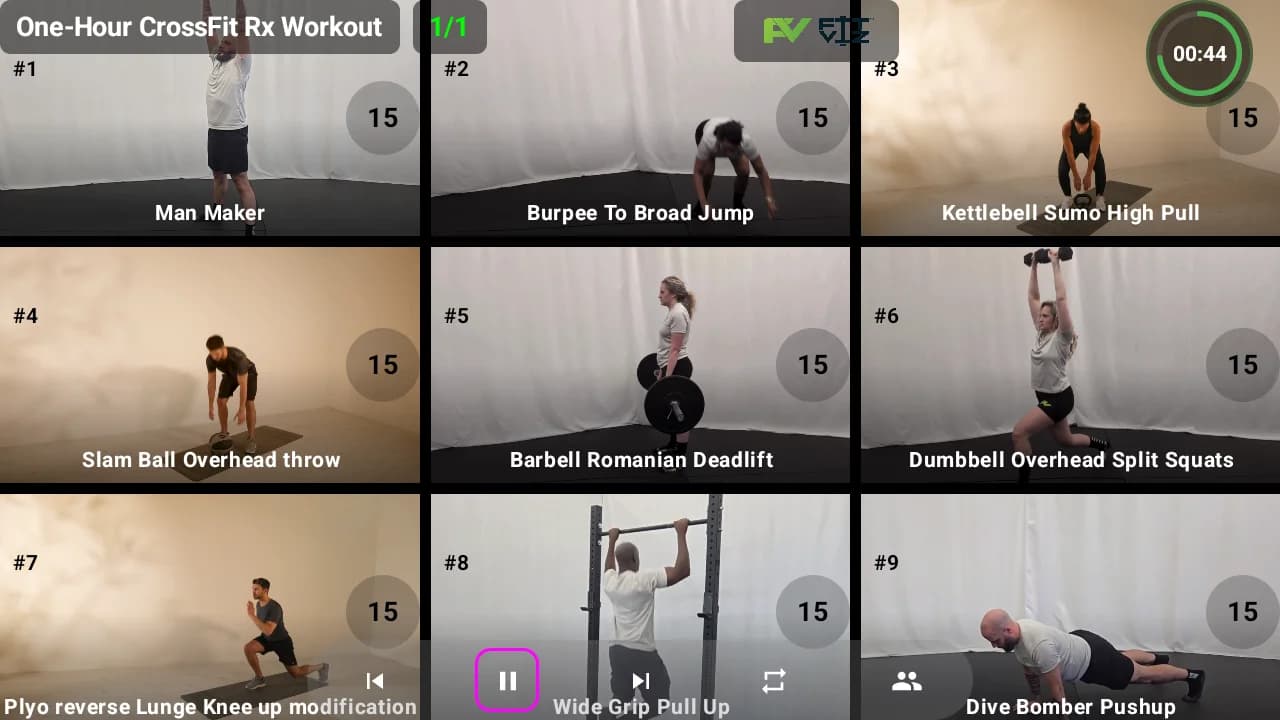
Two letters carry a lot of weight in functional fitness: Rx. When you see a workout written out, the CrossFit Rx version means “as prescribed” - the movements, weights, reps, and standards exactly as the programmer intended. It represents the gold standard for that day’s training stimulus, not a moral standard for who belongs in the room.
That distinction matters, because the real conversation isn’t Rx versus scaled as a status symbol. The real conversation is as Rx'd vs Scaled WODS as a coaching tool: how do you keep the stimulus consistent for beginners, intermediate athletes, and advanced members in the same class?
Through this article, we will explain what Rx means, how to choose Rx or scaled WODs correctly, common mistakes gyms make when communicating standards, and how Fit Viz helps affiliates and functional fitness gyms eliminate “scaling confusion” with clear, on-screen tiering.
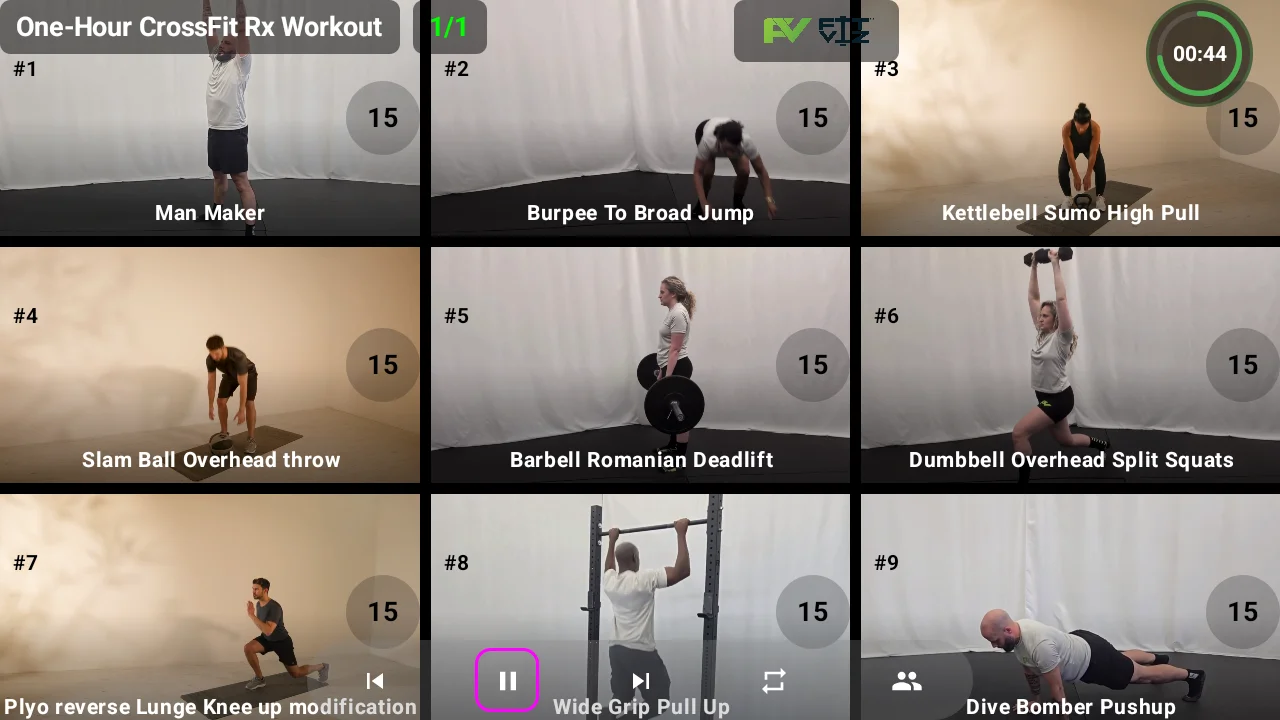
What does Rx mean in CrossFit?
Rx (as prescribed) refers to completing the workout exactly as written by the programmer. That includes:
- Prescribed weights (e.g., 95 lb thrusters)
- Prescribed movement standards (e.g., chest-to-bar pull-ups vs pull-ups)
- Prescribed reps, rounds, and time domains
- Prescribed equipment and distances
In the simplest terms: Rx is the baseline version of the workout plan.
But Rx is not the “only valid” version. It’s a reference point.
Why Rx exists (it’s about stimulus, not ego)
A well-designed workout aims to create a specific training effect:
- A certain [heart rate range](/blog/heart-rate-zones-explained)
- A certain pacing demand
- A certain muscular endurance limit
- A certain skill or power output requirement
- A certain time domain challenge
That intended effect is called the stimulus.
Rx exists because it’s the programmer’s best guess at what will produce that stimulus for a broadly “trained” athlete. The moment an athlete’s ability differs from that assumption, scaling becomes the correct choice.
Rx'd vs Scaled WODS: the real difference
Rx’d
Rx’d means:
- Full prescribed load and standards
- Full movement complexity
- Intended time domain and intensity target for the Rx athlete
Example:
- 95 lb thrusters
- Chest-to-bar pull-ups
- Target time domain: 8–12 minutes
Rx’d is appropriate when you can maintain:
- Safe mechanics
- Appropriate pace
- Meaningful volume without breakdown
- The intended workout time window
Scaled WODs
Scaled WOD means:
- Modifying the workout to match your current ability
- Keeping the training effect similar to the Rx version
- Protecting movement quality and pacing
Scaling can include:
- Reducing weight
- Changing a movement (e.g., jumping pull-ups instead of chest-to-bar)
- Reducing reps
- Adjusting the skill component while maintaining intensity
Scaling is not a downgrade. It’s correct programming for the individual.
How to choose Rx or scaled WOD (a simple decision framework)
When deciding between a CrossFit Rx workout and scaled WOD, use this checklist:
Choose Rx if you can:
- Hit the standard safely and consistently
- Maintain form under fatigue
- Stay within the intended time domain
- Keep intensity without extended stoppages
- Repeat the movement pattern without “survival reps”
Choose scaled if you need to:
- Protect technique and joints
- Maintain the workout’s pacing goal
- Avoid long breakdown periods
- Keep heart rate and effort consistent with the class
- Complete the volume with integrity
The best athletes scale when it preserves the stimulus. The smartest gyms teach that early.
The hidden problem in most gyms: scaling confusion
Even great programming fails when scaling communication breaks down.
Common issues in busy classes:
- Rx is written clearly, scaling is shouted verbally
- Athletes forget modifications mid-workout
- New members feel singled out when coaches announce scaling
- Intermediate athletes guess their own scaling and miss the stimulus
- Coaches spend more time explaining than coaching movement quality
This is why the Rx/Scaled WODS conversation needs structure and visibility, not improvisation.
The Fit Viz solution: scaling tiers displayed clearly on screens
Fit Viz is designed to solve the biggest operational friction point in functional fitness classes: scaling at scale.
Display Rx and scaling tiers side-by-side
Fit Viz can show:
- The CrossFit Rx workout standards
- An Intermediate option
- A Beginner option
- A Masters option (or other tier your gym uses)
This removes ambiguity. Athletes can look up and instantly see their path.
Reduce “scaling shame” by normalizing options
When scaling options are displayed as part of the plan, not a whispered side conversation, members stop feeling like they’re doing something “less than.” They feel like the gym is built for them - which improves confidence and retention.
Help coaches coach instead of repeating instructions
With Fit Viz, coaches don’t have to shout modifications across the room or repeat scaling explanations for every athlete. They can spend that time on:
- Form corrections
- Pacing advice
- Safety cues
- Personal coaching
That improves the quality of the class for everyone.
Improve consistency across coaches and class times
A tiered display keeps scaling consistent across instructors, which is a major advantage for affiliates trying to deliver a reliable member experience.
Examples of effective scaling (what good gyms do)
A high-quality Rx’d vs scaled approach often looks like:
- Rx: 95 lb thrusters + chest-to-bar
- Intermediate: 75 lb thrusters + pull-ups
- Beginner: 55 lb thrusters + ring rows
- Masters: adjusted volume or load with same pacing target
Notice the pattern: the goal is consistent stimulus and time domain, not identical movements for everyone.
Fit Viz supports this by making tiers visible, structured, and easy to follow mid-workout.
Conclusion
CrossFit Rx means “as prescribed,” but it is not a badge of worth. The real goal of Rx'd vs Scaled WODS is preserving the intended stimulus so every athlete trains safely and effectively. Scaling is not a step backward - it is how mixed-ability classes stay cohesive, productive, and sustainable.
Fit Viz makes scaling easier for gyms by displaying Rx standards alongside multiple scaling option tiers on high-definition screens. This reduces confusion, normalizes scaling, and gives athletes a clear, personalized path through the workout - so coaches can focus on coaching, not crowd control.
See how scaling options connect with displays, timers, and scheduling inside a full Club Operating System.