Thrusters CrossFit: Master the Love-Hate Movement
Master Thrusters in CrossFit with efficiency tips for breathing at lockout, leg drive timing, and stable foot pressure. Learn common thruster form breakdowns and how Fit Viz helps gyms coach thrusters with on-screen form reminders and slow-motion video demos on workout displays.
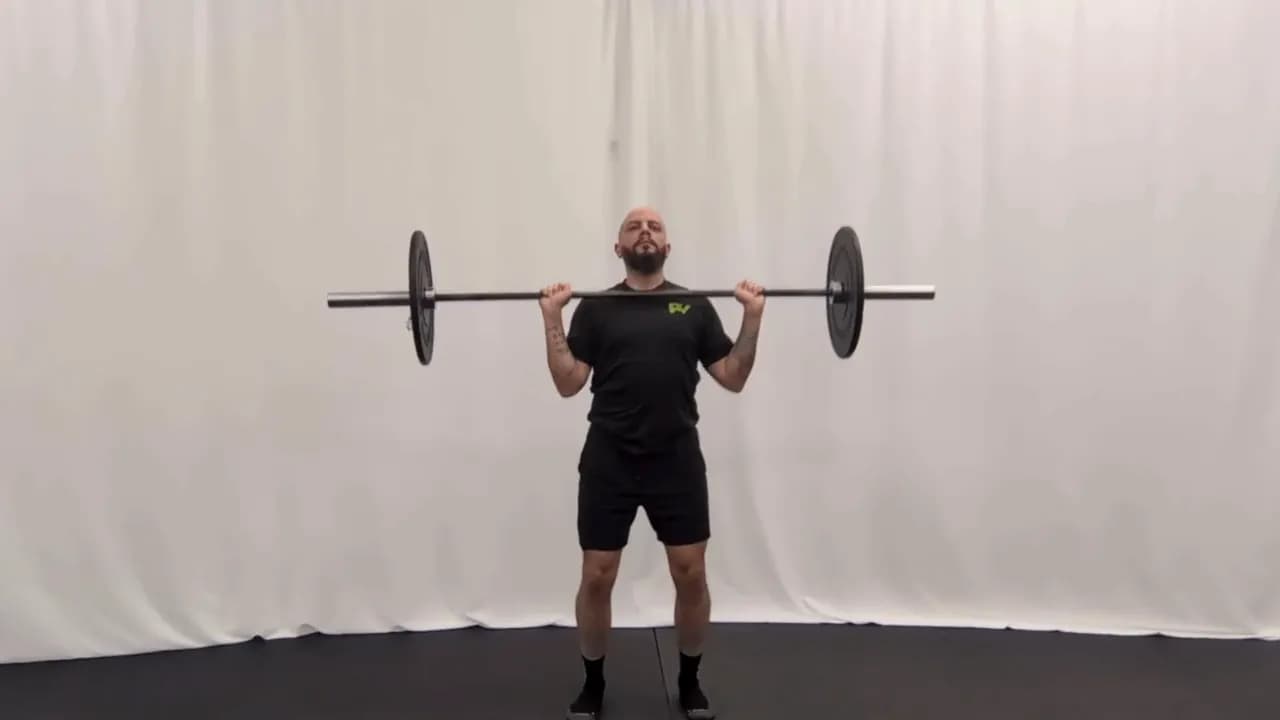
If there’s one movement that defines the “pain cave,” it’s Thrusters used in Crossfit. The thruster combines a front squat and a push press into one continuous rep, forcing your legs, core, shoulders, and lungs to cooperate under fatigue. It’s also one of the most common movements in iconic CrossFit workouts because it exposes inefficiency instantly: if your timing is off, your heart rate spikes and your shoulders burn out early.
This guide will expound on:
- How to become more efficient at thrusters (breathing, leg drive, foot pressure)
- The most common form breakdowns and how to fix them
- How Fit Viz helps athletes maintain form under fatigue using workout displays and video demos
What is a thruster in CrossFit?
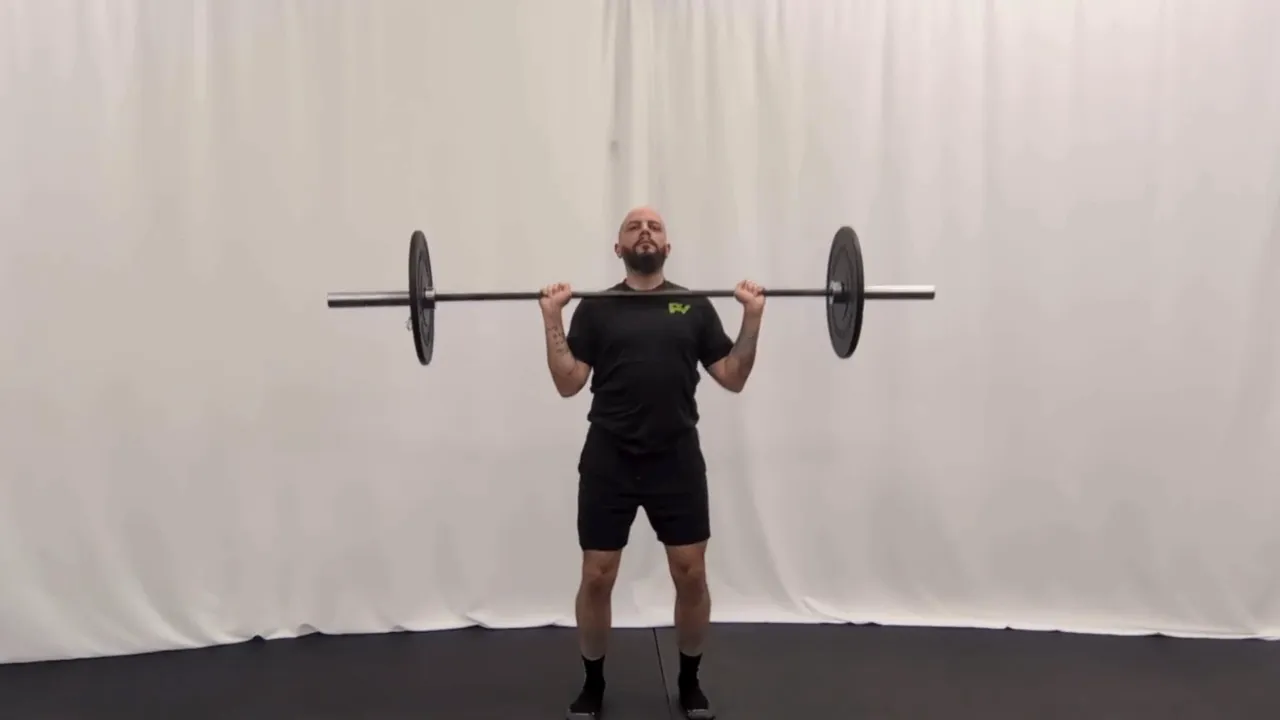
A thruster is a full-body movement that blends:
- Front squat: bar in the front rack, hips below parallel (as programmed), stand up
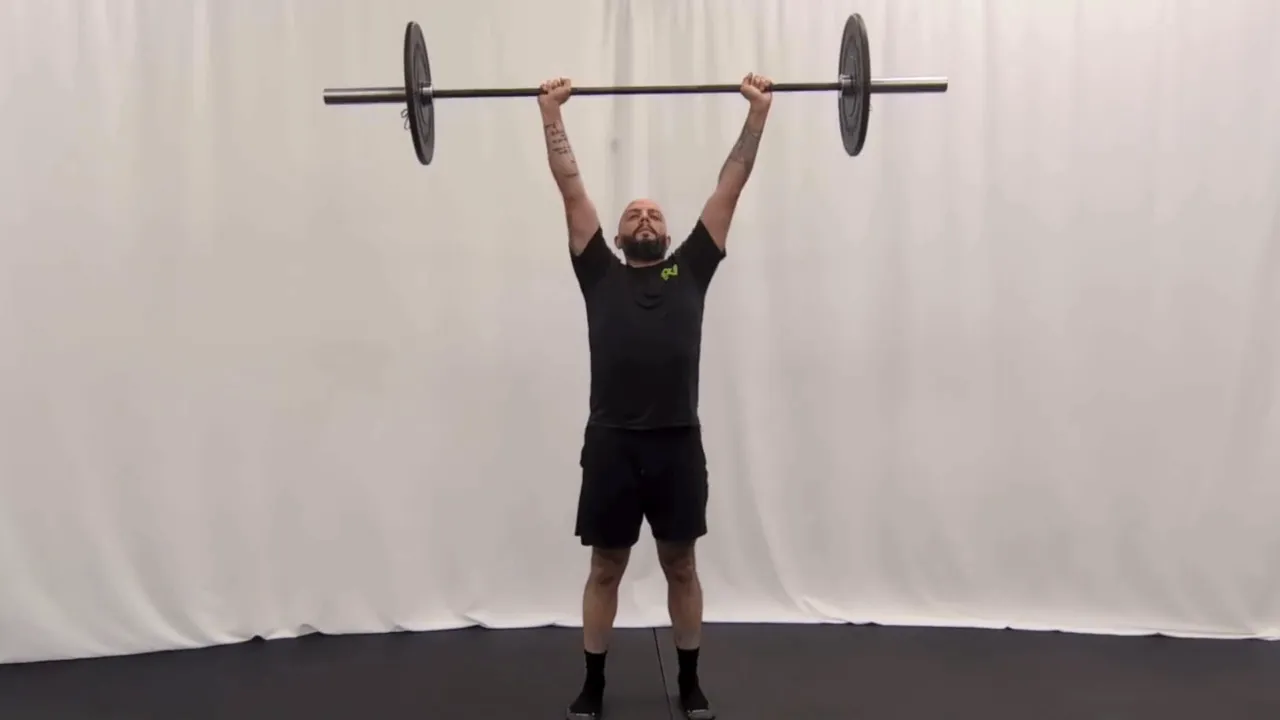
- Press: drive the bar overhead as you finish standing, ideally using legs and hips to initiate the press
The thruster is demanding because it requires:
- Front rack mobility (wrists, shoulders, thoracic spine)
- Squat mechanics (ankle, hip mobility, bracing)
- Overhead stability (core + shoulder control)
- Efficient breathing under repeated reps
That’s why Thrusters Crossfit workouts feel like they hit everything at once.
Why thrusters feel so hard (and why efficiency matters)
Thrusters punish two things:
- Poor timing between squat and press
- Poor breathing strategy under load
When you press too early (while still in the squat), your shoulders do extra work and fatigue faster. When you breathe in the wrong position, you lose bracing and waste energy. Small mistakes compound quickly.
Efficiency is the difference between:
- Sustainable sets with controlled breathing
and - “One rep at a time” survival mode
Tips for Thrusters Crossfit efficiency
1. Rest at the top (the best breathing position)
One of the most useful cues for Thrusters Crossfit is:
Breathe at lockout, not in the front rack.
Why it works:
- Overhead lockout is the moment when the bar is most supported by your skeleton
- The front rack is a compressed position that makes breathing harder
- Breathing at the top keeps your torso upright and ready for the next rep
Practical approach:
- Exhale as the bar reaches lockout
- Take a controlled breath at the top
- Reset your grip and posture
- Descend smoothly into the next rep
This turns the top position into a repeatable “reset” point.
2. Leg drive first (hips pop the bar, arms finish it)
Thrusters Crossfit should not feel like a shoulder exercise. Your legs and hips should do most of the work.
Key cue:
- Stand up hard out of the squat
- Keep the bar connected to your shoulders
- Use the upward momentum to start the press
- Press only after legs finish extending
If your arms start pressing while your legs are still bent, your shoulders take over and your output drops.
Think: legs move the bar, arms guide it.
3. Heels down and mid-foot pressure
A thruster is strongest when your force goes into the floor through a stable foot.
Focus on:
- Weight centered through mid-foot
- Heels staying down as long as possible
- Knees tracking over toes (not collapsing inward)
- Torso staying tall in the squat
Common issue:
- Coming onto toes early shifts load forward and makes the press unstable
- It also steals power from the squat portion
Stable feet = smoother reps and fewer “energy leaks.”
The most common form breakdowns in Thrusters Crossfit
1. Elbows drop in the squat
When elbows drop, the bar rolls forward, forcing you to chase it with your torso. That increases fatigue and can stress the lower back.
Fix:
- Keep elbows high enough to support the rack
- Strengthen the upper back position
- Use a grip that allows a secure front rack without wrist pain
2. Pressing too early
This is the biggest efficiency killer. Pressing while still standing up turns the thruster into a shoulder-dominant movement.
Fix:
- Finish your leg extension first
- Feel the “pop” from the hips
- Then press smoothly overhead
3. Losing brace and collapsing forward
Under fatigue, athletes often lose core tension and the chest drops.
Fix:
- Inhale and brace before descending
- Keep ribs stacked over hips
- Control the bottom position
- Reset breathing at the top
4. Bouncing inconsistently or rushing the bottom
Rushing the squat makes the rep feel faster but often increases heart rate and breaks form.
Fix:
- Keep a consistent tempo
- Think “smooth down, powerful up”
- Avoid sloppy depth that changes rep to rep
How to train thrusters so they improve fast
For most athletes, thrusters improve when you train:
- Front rack mobility (wrist/shoulder/thoracic)
- Front squat positions (upright torso)
- Push press timing (dip/drive mechanics)
- Breathing under repeat reps (top-position reset)
A practical approach:
- Do small sets with perfect timing (e.g., 3–5 reps)
- Build volume without letting elbows drop or press timing drift
- Gradually increase speed only after consistency is solid
Using Fit Viz to perfect thruster form under fatigue
Thrusters in Crossfit is the perfect example of why visual coaching matters. Most breakdown happens when athletes are tired - exactly when verbal cues are hardest to process.
Fit Viz supports thruster coaching by turning the workout screen into a real-time form assistant.
1. Slow-motion video demos on gym TVs
Fit Viz can display slow-motion thruster demos on large screens so athletes can see:
- Correct hip drive timing
- Stable foot pressure
- Overhead lockout position
- Elbow position in the rack
That matters because many athletes don’t know what they’re doing wrong until they see what “right” looks like.
2. On-screen “form reminders” during the workout
Fit Viz can display short cues that actually work mid-WOD:
- “Breathe at lockout”
- “Legs first, arms finish”
- “Heels down”
- “Elbows up in the rack”
These reminders reduce coaching repetition and help athletes self-correct without stopping class flow.
3. Better class execution and safety
When athletes can glance up and correct position mid-set:
- Form stays cleaner for longer
- Intensity stays productive
- Risk decreases during fatigue
- Coaches can focus on individual corrections rather than re-explaining basics to the entire room
This is especially valuable in high-rep thruster workouts where group fatigue builds fast.
Conclusion
Thrusters Crossfit is the love-hate movement because it demands everything at once: mobility, leg power, overhead stability, and pacing under fatigue. The best way to improve is to get more efficient - breathe at the top, drive with legs first, and keep your heels grounded so every rep is repeatable.
Fit Viz helps gyms coach thrusters better by displaying slow-motion video demos and simple form reminders on large workout screens, allowing athletes to self-correct in real time and stay safer while pushing intensity.